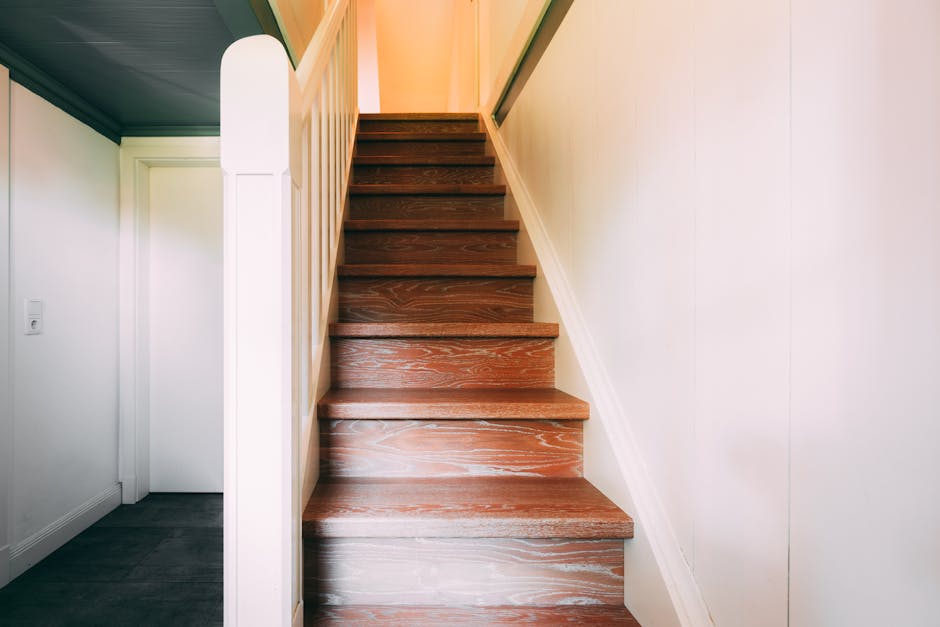
Common problems with narrow staircases in West Kensington removals
Moving house is rarely simple, but narrow staircases can turn an already busy day into a proper puzzle. In West Kensington, that is especially true in older conversions, mansion blocks, basement flats, and compact terraces where every bend feels tighter than the last. Common problems with narrow staircases in West Kensington removals usually come down to access, safety, timing, and the awkward geometry of getting furniture around corners without damage.
If you are planning a move in the area, it helps to know what usually goes wrong before the first box leaves the hallway. That way you can plan the route, reduce stress, and avoid the classic "it looked fine in the room" moment when a sofa reaches the staircase and simply refuses to cooperate. Let's face it, the stairs never look narrow until moving day.
This guide breaks down the main issues, how removal teams deal with them, what to prepare in advance, and when it makes sense to choose a more flexible service. If you want to explore broader moving support while you read, you may also find flat removals, home moves, and removal services useful as part of your planning.
Quick practical takeaway: narrow staircases do not just slow a move down; they can change the whole moving method. The best results usually come from early measurements, lighter packing, sensible furniture decisions, and a removal team that knows how to work in tight London properties.
Table of Contents
- Why narrow staircases matter in West Kensington removals
- How narrow staircase moves usually work
- Key benefits and practical advantages
- Who this is for and when it makes sense
- Step-by-step guidance
- Expert tips for better results
- Common mistakes to avoid
- Tools, resources and recommendations
- Law, compliance, standards, or best practice
- Options, methods, or comparison table
- Case study or real-world example
- Practical checklist
- Conclusion
- Frequently asked questions
Why Common problems with narrow staircases in West Kensington removals Matters
Narrow staircases affect far more than convenience. They influence how long the move takes, which items can be taken safely, how many people are needed, and whether extra protection is necessary for walls, banisters, and floors. In a place like West Kensington, where flats and converted homes often have older internal layouts, the staircase may be the hardest working part of the property on moving day.
The obvious issue is width. But the hidden problems are usually the turns, the ceiling height on landings, the handrail position, and the way people naturally move under pressure. A staircase that looks manageable on a calm weekday morning can become tricky once a team is carrying a wardrobe, a mattress, or a heavy chest of drawers in raincoats and work boots. That extra second of hesitation can make all the difference.
There is also a business side to this. If access is not checked properly, delays pile up and the moving schedule starts to slip. That can affect parking arrangements, access windows, lift bookings in larger blocks, and even other jobs later in the day. For homeowners and tenants alike, the cost is not just money; it is the stress of watching the plan wobble.
In our experience, people often focus on the big items and forget the staircase itself. Yet narrow stairs are one of the clearest signs that the move needs a bit more thought. A careful plan can save a lot of lifting, lifting that nobody really wants to do twice.
How Common problems with narrow staircases in West Kensington removals Works
When movers assess a property with narrow stairs, they are really checking whether items can travel safely from each room to the exit. That means looking at the full route, not just the stair width. One awkward bend near the top can matter more than the headline measurement.
Here is what usually happens in practice:
- Access is reviewed first. The team looks at stairs, landings, bannisters, door swings, and any tight internal corners.
- Problem items are identified. Large sofas, beds, wardrobes, appliances, and pianos often need special handling.
- Packing is adjusted. Some items may be broken down, wrapped differently, or moved in smaller sections.
- Protection is added. Blankets, floor covers, and corner protection help reduce scratches and chips.
- The carrying plan is set. Movers decide which item goes first, how many people are needed, and whether a shuttle method or smaller vehicle is better.
The important thing is that narrow staircases do not only create a "will it fit?" issue. They change body mechanics. Carrying on stairs is much harder when the carrier has to twist their torso, keep balance on the turn, and avoid the wall at the same time. That is where skilled handling really matters.
If the property is a flat or upper-floor conversion, the situation can be even more sensitive. In those cases, services like flat removals and man and van support can be a sensible fit because they are often better suited to compact access and lighter loads.
Key Benefits and Practical Advantages
It may sound odd to talk about benefits when discussing a difficult staircase, but there are definite upsides to planning properly. The biggest one is control. Once you understand the constraints, you can choose a moving method that suits the building rather than fighting it all day.
- Less risk of damage: careful planning reduces scuffs on walls, dents on banisters, and chips on steps.
- Safer lifting: a clear route and correct carrying method lower the chance of slips or strains.
- Faster loading decisions: you know which items need dismantling, wrapping, or alternate access.
- Better cost control: fewer surprises means fewer unplanned delays and less back-and-forth.
- Lower stress: you are not making rushed decisions while boxes are stacked in the hallway.
There is also a practical comfort benefit. When the route is managed well, the move feels calmer. You hear less thudding on stairs, less apologetic scraping, less of that half-panicked "try it this way" conversation. The day still feels busy, obviously, but not chaotic.
For many households, especially those in older West Kensington buildings, the real advantage is avoiding forced improvisation. A proper plan means the movers can work with the staircase instead of against it, and that usually leads to a neater finish.
Who This Is For and When It Makes Sense
This topic matters most if your property has limited stair access, but it is not just for top-floor flats. It is relevant for anyone moving from a home where stairs are tight, winding, steep, or shared with neighbours. If your property has a small landing and a narrow turn, you are already in the territory where moving choices matter.
It is especially useful for:
- people moving out of period conversions and mansion blocks
- tenants in compact upper-floor flats
- households with bulky furniture or fragile items
- students moving into or out of multi-storey accommodation
- small offices in converted buildings
- anyone needing a local move where time and access are both tight
If you are only moving a few lighter items, a smaller vehicle and a simpler handling plan may be enough. For example, a removal van or a more flexible man with van style move can make sense for compact properties where large lorries are not ideal.
Truth be told, if the staircase is narrow and your sofa is enormous, the question is not "can it be done?" but "what is the cleanest way to do it without drama?" That is the sensible frame.
Step-by-Step Guidance
If you want to reduce problems before moving day, a structured approach helps more than last-minute optimism. Here is a practical sequence that works well for tight access moves.
- Measure the staircase properly. Check width at the narrowest point, landing space, turn radius, ceiling height, and any obstructions like radiators or shelving.
- Measure your largest items. Do this in full, including packaging if the item will be wrapped. A mattress bag, blanket wrap, or box can change the effective size.
- List the awkward pieces. Sofas, beds, wardrobes, bookcases, and dining tables are the usual suspects. Pianos need very careful planning, and may need specialist handling.
- Decide what can be dismantled. Flat-pack furniture, bed frames, and some tables can usually be taken apart. Keep screws and fittings in labelled bags.
- Protect the route. Cover floors, edges, and vulnerable corners before anything is carried through.
- Choose the right moving setup. If access is limited, a smaller crew or vehicle may be more practical than trying to force a bigger setup into a tight street.
- Confirm timing and access. Make sure residents, neighbours, or building managers know when the stairs will be in use.
A small but useful detail: leave the hallway as clear as possible the night before. Shoes, mats, coats, bike locks, umbrella stands - all of that clutter eats into space. On a narrow staircase, every inch matters. A tiny pile at the bottom of the stairs can become the thing everyone trips over. Ridiculous, but true.
If packing is still underway, services such as packing and boxes or packing and unpacking services can help reduce the chance of oversized, unstable loads on the stairs.
Expert Tips for Better Results
Here are the small details that often make the biggest difference. They sound minor, but they save time and friction.
- Use smaller, denser boxes. Big boxes may look efficient, but they become awkward on turns and hard to balance.
- Keep one clear staircase route. Don't let boxes gather on the landing or near the door.
- Wrap before you carry. It is easier to protect items well in advance than to juggle blankets halfway down the stairs.
- Take doors off only if needed. Sometimes it helps, sometimes it just creates extra work. Use judgement.
- Communicate the turns. One person should call the movement clearly so everyone lifts and pivots at the same moment.
- Check the weather. Wet shoes on stairs are not your friend, especially in older properties where steps may be worn smooth.
It also helps to think about load order. Put easier, more manageable items first so the team gets into a rhythm. Save the awkward pieces for when the route has been tested and everyone knows the layout. A move often goes better once the first few trips are handled cleanly.
And yes, sometimes the best tip is simply not to overpack a box. Nobody needs a cardboard box that sounds like a brick when you lift it. Your back will thank you later.
Common Mistakes to Avoid
Most staircase problems are predictable. That is the good news. The bad news is that people still make the same mistakes again and again, usually because the pressure of moving day masks the warning signs.
- Measuring only the room, not the route. A sofa may fit the lounge perfectly and still fail at the stairs.
- Ignoring the turn at the landing. This is one of the most common sticking points.
- Assuming two people can manage anything. Some objects need more hands, better equipment, or a different approach.
- Leaving heavy packing until the last minute. Rushed boxes are often oversized and awkward.
- Not protecting walls and banisters. One small collision can leave a very visible mark.
- Forgetting neighbours or shared access. In blocks and conversions, shared stairs mean shared disruption.
Another mistake is getting emotionally attached to items that are simply a bad fit for the building. Be honest with yourself. If a wardrobe is likely to cause repeated trouble, it may be worth dismantling it, moving it in sections, or arranging a different handling plan altogether. That is not defeat. It is common sense.
If you are comparing providers, removal companies with strong access experience are usually better placed to spot these issues early, rather than after the first awkward lift.
Tools, Resources and Recommendations
You do not need specialist machinery for every narrow staircase move, but the right basic kit makes a huge difference. A good team usually relies on practical equipment rather than brute force.
| Tool or resource | What it helps with | Why it matters on narrow stairs |
|---|---|---|
| Protective blankets | Shielding furniture and walls | Reduces scratches and impact marks |
| Floor runners | Protecting steps and landings | Improves grip and keeps surfaces cleaner |
| Straps and lifting aids | Controlled carrying | Helps with balance and coordination |
| Labels and tape | Organised packing | Makes dismantled items easier to rebuild later |
| Small box selection | Safer handling | Prevents overfilled boxes from becoming unsafe |
For larger or heavier jobs, a broader moving setup may also be helpful. A moving truck or removal truck hire arrangement can be useful when the overall move volume is high, but only if the building access and street layout suit it.
If timing is tight, some people also look at same day removals, though that only really works well when access is already understood. Narrow stairs plus last-minute planning is a combination best avoided if you can.
Law, Compliance, Standards, or Best Practice
When stair access is tight, safety best practice matters more than speed. In the UK, moving work should be carried out with attention to manual handling, safe lifting, clear walkways, and sensible team coordination. You do not need to memorise legislation to benefit from the principle: people and property should be protected before convenience.
For removals in shared buildings, it is also sensible to consider building rules, access times, and neighbour impact. That may include lift bookings, noise limits set by building management, or agreed loading arrangements. These are often practical issues rather than legal drama, but they can still derail a move if ignored.
From a professional standpoint, the following best practices are worth expecting:
- clear communication before arrival
- visible assessment of the access route
- adequate protection for floors and contact points
- appropriate team size for the load
- careful handling of fragile or high-value items
If you are storing items temporarily because the stairs are simply too tight for everything in one go, storage can be a practical part of the plan. That is not a failure of the move; sometimes it is the most orderly option.
For peace of mind around care and responsibility, it is also worth reviewing health and safety policy and insurance and safety information before booking. These pages help set expectations in a straightforward way.
Options, Methods, or Comparison Table
There is no one-size-fits-all approach to tight staircase moves. The right method depends on the items, the layout, and the time available. Here is a simple comparison of common options.
| Method | Best for | Pros | Trade-offs |
|---|---|---|---|
| Full-team stair carry | Most standard home moves | Efficient when access is manageable | Needs proper coordination and space |
| Item dismantling | Furniture that can be taken apart | Reduces width and awkward angles | Requires reassembly later |
| Smaller vehicle / lighter load | Compact flats and limited streets | More flexible for access constraints | May require more trips |
| Temporary storage | Staged moves or delayed handovers | Removes pressure from the staircase on the day | Adds an extra step to the move |
| Specialist handling | Pianos, antiques, unusually large items | Safer for difficult or valuable pieces | Needs more planning and care |
For example, a compact one-bedroom flat with a tight stairwell may do well with a removal van and a well-packed load, while a larger household with mixed furniture might need a more robust mix of van space, dismantling, and careful route management. The method should fit the property, not the other way around.
Case Study or Real-World Example
Picture a typical West Kensington flat move on a damp Thursday morning. The property is on the second floor of a conversion, with a narrow staircase, a right-angle turn at the middle landing, and a bannister that leaves just enough space to make everyone nervous. Nothing dramatic, just one of those stairs that looks innocent until the sofa arrives.
The team starts with the largest item first: a two-seater sofa. It is technically light enough for two people, but the turn on the landing is the problem. Rather than forcing it through in one go, the movers pause, rotate, and check the angle before committing. The sofa goes down cleanly. Slow, yes. But cleanly. No wall damage, no strained shoulders, no awkward scraping sound bouncing down the stairwell.
Next comes a wardrobe, which has already been dismantled into manageable sections. That one decision saves most of the stress. The shelves and fittings are labelled, the screws are bagged, and reassembly later is much less of a headache. A bedside table, boxes, and a mattress follow without trouble.
The move still takes time, but it feels controlled rather than chaotic. That is the whole point. Narrow staircases do not need to become a crisis. They just need a realistic plan, a bit of patience, and a team willing to think before lifting. Small thing, really. Big difference.
Practical Checklist
Use this checklist before moving day if you know the staircase is tight.
- Measure the staircase width at the narrowest point.
- Measure the landing, turns, and any awkward ceiling slopes.
- Measure large furniture with any protective wrapping included.
- Identify anything that can be dismantled safely.
- Label screws, fittings, and panels clearly.
- Clear the hallway, landing, and stair base the night before.
- Protect floors, edges, and bannisters.
- Confirm building access, parking, and timing in advance.
- Keep fragile items packed in smaller, safer boxes.
- Ask whether a smaller vehicle or flexible load plan makes more sense.
- Set aside essential items you will need immediately on arrival.
- Review the moving company's booking terms before the day.
If you are moving furniture only, furniture removals or a one-off furniture pick up may be more efficient than booking a full household move. For students and smaller households, student removals can also be a sensible fit when the load is lighter and access is awkward.
One final practical note: keep your phone charged and your keys easy to reach. You would be surprised how often the smallest thing becomes the biggest delay.
Get a free quote today and see how much you can save.
Conclusion
Narrow staircases are one of the most common access challenges in West Kensington removals, and they deserve real planning rather than hopeful guessing. The main problems are usually not mysterious: tight width, awkward turns, limited landing space, fragile surfaces, and items that are simply too bulky to handle casually. Once you understand those pressure points, the move becomes much easier to organise.
The best approach is straightforward. Measure early, pack smartly, dismantle what you can, protect the route, and choose a removal method that suits the property. Whether you are moving a flat, a home, or a few large items, thoughtful planning makes the day calmer and safer.
And that calm matters. A good move is not one that feels heroic. It is one that gets done properly, without anyone having to wrestle a wardrobe up the stairs at 7:30 in the morning. Nice and steady usually wins.
Frequently Asked Questions
What are the most common problems with narrow staircases in West Kensington removals?
The main problems are tight turns, limited landing space, low ceiling clearance, awkward bannister positions, and damage risk to walls or furniture. Heavy items can also be harder to balance safely.
Can a sofa usually fit down a narrow staircase?
Sometimes yes, sometimes no. It depends on the sofa size, how much it can flex, the landing angle, and whether the staircase has a sharp turn. Measuring both the furniture and the route is the safest way to judge.
Should I dismantle furniture before a move with tight stairs?
If the item can be dismantled safely, it often makes the move much easier. Beds, some wardrobes, tables, and shelving units are common candidates. Just keep all fixings organised so reassembly is not a mess later.
Do narrow staircases make removals more expensive?
They can, because the move may take longer or need extra handling. That said, the cost impact depends on the property, the items involved, and the amount of preparation done in advance.
Is a removal van better than a larger truck for narrow-staircase moves?
Often, yes. A smaller vehicle can be more practical where access is limited or where the load is modest. The right choice depends on both the building and the amount you are moving.
How can I protect walls and banisters during the move?
Use protective blankets, floor coverings, and careful carrying technique. Clear communication between movers also helps prevent sudden twists or contact with the staircase edges.
What should I measure before moving day?
Measure the narrowest part of the staircase, the landings, any corners, and the biggest items you plan to move. It is also wise to include packaging or wrapping in your measurements.
Are narrow staircases a problem for student moves too?
Yes, especially in shared houses and upper-floor flats where access is tight. Student moves often involve lots of boxes and a few awkward items, so smaller loads and sensible packing are very helpful.
What if my item is too large for the staircase?
You may need to dismantle it, move it in sections, store it temporarily, or choose a different route or moving method. For very awkward pieces, specialist handling may be the safest option.
How do movers usually handle a really tight staircase?
They assess the route first, protect the surfaces, choose the right carrying order, and use careful coordination around corners. If needed, they may adjust the load size or move certain items separately.
Does insurance matter for stair damage or furniture damage?
Yes, it matters a great deal. Any professional move should make clear how safety and insurance are handled. It is worth checking those details before you book, especially in older buildings where the risk of scuffs and knocks is higher.
When should I book help for a narrow-staircase move?
As early as you can. The more time there is to measure, plan, and choose the right moving setup, the smoother the day is likely to be. Last-minute planning tends to increase stress, and nobody needs that.
For more about the company's approach and working standards, you can also review about us, pricing and quotes, and contact us when you are ready to take the next step. A little planning now really does make a move feel lighter later.