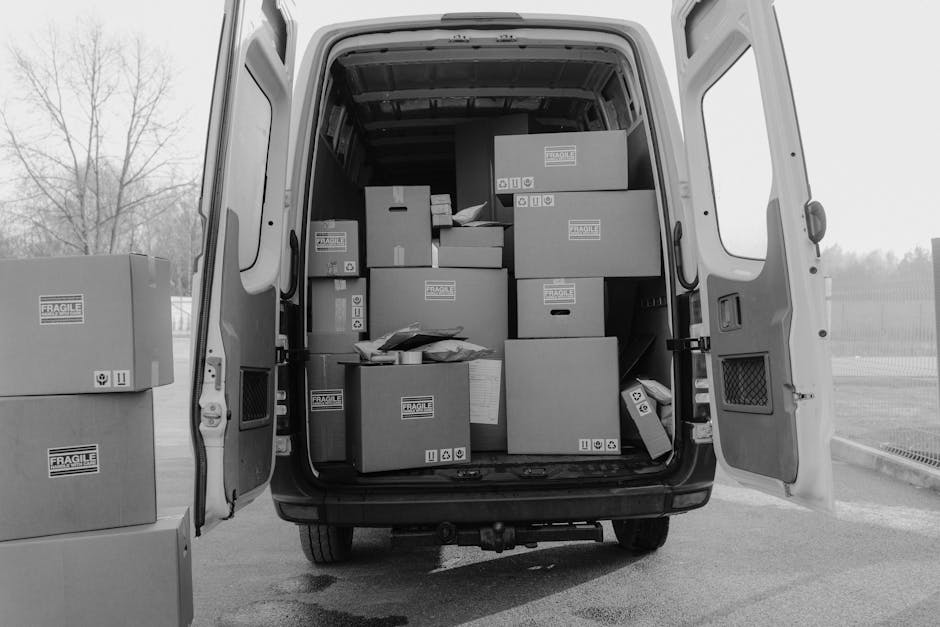
West Kensington removals common delays and how to avoid
If you are planning a move in West Kensington, the biggest headache is rarely the lifting itself. It is the delays. A van waiting outside because access was blocked, boxes that were not packed properly, a lift that is suddenly out of service, or keys that have not been released yet - any one of these can push a smooth day into a long, tiring one. This guide on West Kensington removals common delays and how to avoid is written to help you spot the usual problems early, plan around them, and keep your move calm, practical, and on schedule.
West Kensington has its own quirks too: tight streets, flats with shared entrances, controlled parking, and the usual London mix of traffic that can turn a simple 20-minute drive into something very different. Truth be told, most delays are avoidable if you know what to check before moving day. Let's walk through the real-life issues, what they mean, and how to stay one step ahead.
Contents
- Why West Kensington removals common delays and how to avoid matters
- How West Kensington removals common delays and how to avoid works
- Key benefits and practical advantages
- Who this is for and when it makes sense
- Step-by-step guidance
- Expert tips for better results
- Common mistakes to avoid
- Tools, resources and recommendations
- Law, compliance, standards, or best practice
- Options, methods, or comparison table
- Case study or real-world example
- Practical checklist
- Conclusion
- Frequently asked questions
Why West Kensington removals common delays and how to avoid matters
Delays during a move do more than waste time. They can increase stress, create extra costs, and make the whole day feel messy from the first cup of tea. In a busy part of West London, even a small issue can snowball. A blocked doorway means the removal team cannot bring items out quickly. A late key handover means your furniture sits in a van longer than planned. A missing parking space can force a long walk with awkward boxes. Not ideal, and usually avoidable.
For anyone moving a flat, a family home, or a small office, delay prevention matters because it protects three things: your budget, your schedule, and your energy. The less time the crew spends waiting around, the more likely your move finishes in a single efficient window. That matters especially if you have children, pets, shared building rules, or a tight completion day.
It also matters for trust. When a removal day runs smoothly, it feels organised and reassuring. You know what is happening, the movers know what is happening, and nobody is standing in the hallway wondering whether the wardrobe will ever come out. A simple plan can make that difference.
How West Kensington removals common delays and how to avoid works
The practical idea is straightforward: identify the most likely causes of delay, then remove each one before moving day starts. Most hold-ups fall into a few familiar categories:
- Access problems such as narrow stairwells, no lift access, shared entrances, or restricted parking.
- Poor packing that slows loading, causes breakages, or leaves items unlabelled.
- Timing issues like late key release, completion delays, or building access windows.
- Vehicle and route issues including traffic, roadworks, or the wrong size of vehicle.
- Special item handling for heavy furniture, pianos, fragile artwork, or awkward appliances.
How do you avoid them? By planning earlier than feels necessary. Get measurements. Confirm parking. Pack room by room. Tell the removal company about stairs, lifts, and bulky items. If there is any doubt about access, raise it early. Moving companies can work around a lot, but only when they know what they are dealing with.
In our experience, the best moves feel boring. That sounds unexciting, but boring is good here. No surprises. No scrambling. No one trying to find a screwdriver while the van is idling outside in the drizzle. Just a steady sequence of actions that gets you from A to B.
Key benefits and practical advantages
Planning around delays gives you more than peace of mind. It creates a better overall move.
- Less waiting time: A team can start promptly when access, parking, and packing are sorted.
- Lower chance of damage: Properly packed, labelled items are easier to carry and less likely to be dropped or crushed.
- Cleaner cost control: Fewer delays usually mean fewer extra hours and less wasted effort.
- Better communication: Everyone knows the timeline, which makes it easier to solve problems quickly.
- Reduced moving-day stress: You are not making rushed decisions while standing on a landing with a half-packed box.
There is another advantage people sometimes miss. Good planning improves flexibility. If your completion runs late, or the weather turns nasty, you are in a much stronger position to adapt. That can be the difference between a manageable hiccup and a full-blown scramble.
If you are comparing different moving support options, it can help to look at the wider picture too. For example, some households prefer the simplicity of home moves, while flat dwellers often need the tighter coordination that comes with flat removals. The right service structure can reduce delays before they start.
Who this is for and when it makes sense
This advice is useful for almost anyone moving in or out of West Kensington, but it is especially relevant if you are in one of these situations:
- You live in a flat with stairs, lifts, or shared entry codes.
- You are moving on a completion day and need timings to line up exactly.
- You have a lot of furniture, boxed books, or awkward items that take time to handle.
- You are moving an office or business and cannot afford downtime.
- You are arranging a student move and working around term dates or travel plans.
- You need a same-day plan because the timeline has become tight.
It also makes sense if you are moving older furniture, delicate items, or anything that needs special handling. A piano, for instance, is not just another boxy object; it is heavy, sensitive, and the sort of thing that rewards careful planning. The same goes for bulky wardrobes, glass tables, and oddly shaped desks that seem designed to snag on every doorway in London.
For people who need flexible help, a smaller vehicle solution can be useful. In the right circumstances, man and van support can be a practical fit, especially where speed and manoeuvrability matter. For larger or more complex jobs, a full removal team or removal services approach may be the better choice.
Step-by-step guidance
1. Confirm the move date and key handover window
Before you book anything else, pin down the realistic timing. Are you waiting for keys? Is there a completion chain? Will you have access immediately, or only after a call from the solicitor? This is the first point where delays can creep in. If the timing is uncertain, tell the removals provider. They can often plan around it better than you think.
2. Check access at both properties
Walk through the route from front door to van. Look for stair turns, narrow corridors, low ceilings, awkward railings, and lift sizes. If your building has a booking system for lifts or loading bays, handle that early. A move can slow down surprisingly fast if somebody is trying to carry a sofa through a space that was clearly not built for sofas. Happens all the time.
3. Sort parking well in advance
Parking is one of the biggest causes of moving-day delay in London. If the van cannot stop close enough, loading becomes slower and physically harder. If you have space to reserve, arrange it. If parking is uncertain, share that information honestly so your mover can plan the vehicle size and timing more carefully. For many customers, the right removal van or a larger moving truck depends on access as much as on volume.
4. Pack properly and label clearly
Packing is not glamorous, but it is where a lot of delays get fixed. Put similar items together. Keep essentials separate. Label each box with the room and a short description. Heavy items should go in smaller boxes rather than giant ones that nobody wants to lift. Fragile items need padding. If you can hear crockery rattling in a box, that box is not finished.
For guidance on materials and organisation, packing and boxes support can save a great deal of time on the day itself. If you want even less hassle, packing and unpacking services may be worth considering.
5. Make special items known early
Say upfront if you have a piano, antique furniture, oversized mirrors, gym equipment, or appliances that need disconnection. Special items can affect loading order, team size, and vehicle choice. They may also need additional protection. The earlier this is clear, the less likely you are to face a delay while someone improvises on the pavement outside.
6. Protect the schedule with a backup plan
Even the best-planned move can be disturbed by traffic or a delayed completion. Build a small buffer into your day if you can. If the property is not ready, ask whether temporary storage might help. That can prevent the whole operation from stalling and gives you breathing space. It is not the first choice for everyone, but sometimes it is the sensible one.
7. Keep documents, keys, and essentials with you
Moving day is not the time to discover your keys are buried under a washing basket. Keep handover details, ID, parking notes, and important contacts in one place. Pack a small essentials bag with medication, chargers, snacks, a kettle, and toilet items. It sounds simple because it is simple - and simple things save time.
Expert tips for better results
Here is where small decisions make a big difference.
- Book earlier than you think you need to. Good movers get busy, especially around month-end and weekend dates.
- Use a room-by-room packing flow. It cuts confusion and helps unloading happen faster.
- Take measurements seriously. A sofa that clears your old stairwell may still fail at the new one.
- Be honest about awkward access. Hidden details usually create the biggest delays.
- Group loading priority items first. Essentials should come out before decorative stuff.
- Keep a margin for London traffic. It is not dramatic to assume the route may take longer than the map says. It is just realistic.
A useful trick is to photograph tricky access points before the day. A photo of a staircase, entrance, or parking area can tell a removal team more than a paragraph of description. Not always, but often enough to help.
For larger or more sensitive moves, choosing the right support matters too. A trusted removal companies page can help you compare the kind of help you actually need, while specialist moves such as piano removals or office removals deserve their own planning approach. One size does not fit all. Never has, really.
Common mistakes to avoid
Most moving delays come from fairly ordinary mistakes, which is both annoying and reassuring. Annoying because they are so avoidable. Reassuring because you can fix them.
- Leaving packing too late: Last-minute packing causes confusion, missing labels, and broken items.
- Ignoring access restrictions: A beautiful move plan falls apart fast if the lift is out or the van cannot park.
- Not telling the movers about fragile or heavy pieces: Surprises slow everything down.
- Underestimating the number of boxes: That "few remaining items" pile somehow becomes twelve boxes and a lamp.
- Forgetting to organise keys and paperwork: This is a classic source of preventable delay.
- Choosing the wrong vehicle size: Too small means extra trips; too large may mean access problems.
Another common one: assuming everything will be ready the minute you arrive. Let's face it, that is not always how completions, landlords, and building managers behave. Build in room for a wobble. That mindset alone can save a lot of stress.
Tools, resources and recommendations
You do not need complicated software to stay organised. In most cases, a simple system works best.
- Inventory list: Write down major furniture and box counts.
- Labels and colour coding: A quick room colour on each box speeds up unloading.
- Phone photos: Useful for access points, parking signs, and appliance connections.
- Measuring tape: Essential for doors, stairs, sofas, beds, and appliances.
- Essentials box: Keep it separate and easy to reach.
- Spare bags and tape: There is always one more thing to seal or carry.
If you want a broader understanding of service options, it can help to review the site's general removals information alongside more targeted services such as student removals or commercial moves. Different move types create different delay risks, so matching the service to the situation is half the battle.
For customers who want extra reassurance around handling, it is also sensible to review insurance and safety details and the company's health and safety policy. That is not overthinking it. That is just responsible planning.
Law, compliance, standards, or best practice
Moving home or office in the UK does not usually involve complicated legal steps for the customer, but there are still practical standards worth respecting. If a building has access rules, loading restrictions, or lift booking requirements, follow them. If parking permits are needed, arrange them properly. If your move includes dismantling, lifting, or carrying heavy items, the work should be done in a way that reduces risk to people and property.
Best practice also means clear communication. A reliable mover should explain what they need from you, what happens if access changes, and how fragile or high-value items will be handled. If you are comparing providers, it is sensible to read the terms and conditions, check payment and security information, and understand how the company handles issues through its complaints procedure. That is not being difficult. It is just good practice.
Sustainability can be part of compliance-minded planning too. If you are reducing waste before a move, the company's recycling and sustainability approach may help you dispose of unwanted items responsibly instead of cramming them into the move "just in case". We have all seen that cupboard.
Options, methods, or comparison table
Different move styles reduce delays in different ways. Here is a simple comparison to help you decide what fits your situation.
| Move option | Best for | How it helps avoid delays | Things to watch |
|---|---|---|---|
| Man and van | Smaller loads, flexible timing, local moves | Quick loading, easier street access, simpler coordination | May need multiple trips if volumes are underestimated |
| Full removals team | Homes, larger flats, family moves | More hands, faster lifting, better pace on heavier jobs | Needs clearer pre-move planning and parking arrangements |
| Same-day removals | Urgent or compressed timelines | Useful when time is tight and action is needed quickly | Less margin for access problems or last-minute packing issues |
| Storage-first approach | Delayed completion or temporary gap between properties | Prevents waiting around when one property is not ready | Requires extra coordination and a second delivery later |
There is no single winner. A small studio move may work beautifully with a man with a van arrangement, while a larger household may need house removals support and a bigger vehicle. The "best" option is the one that fits access, volume, and timing without forcing the day to bend out of shape.
Case study or real-world example
Here is a realistic West Kensington-style scenario. A couple moving from a second-floor flat assumed the lift would be available all morning. They packed most things, but left a few bulky pieces for the movers to "deal with on the day". When the building manager delayed lift access and parking was tighter than expected, loading slowed. Nothing disastrous, just irritating. The van sat at the curb longer than it needed to.
What changed the second time they moved? They measured the stairwell, booked the lift slot in advance, moved the biggest items first, and kept a photo record of the building entrance and parking sign. They also added one small buffer in the schedule. The move still took work - moving always does - but the whole thing felt far more controlled. Less noise, fewer back-and-forths, and no one standing there with a sofa while trying to make a phone call. Which is a relief, honestly.
The lesson is simple: delays are usually not random. They are the result of missing information, unclear timing, or a planning gap somewhere earlier in the process. Once you see that, the fix becomes much easier.
Practical checklist
Use this checklist a few days before the move, then once again the night before.
- Confirm the moving date and any key handover timing.
- Check whether parking or access arrangements are needed.
- Measure doors, stairwells, and large furniture.
- Finish packing and label boxes by room.
- Prepare an essentials bag for the first night.
- Tell the removals team about fragile, heavy, or unusual items.
- Keep keys, documents, and phone chargers in one safe place.
- Check lift bookings, loading bays, and building access rules.
- Decide whether you need storage as a backup.
- Review the service details and confirm pricing before the day.
If you want a move that feels less frantic, this list is the one to return to. A few minutes of checking now can spare you hours later.
Conclusion
West Kensington removals common delays and how to avoid them comes down to one thing: control the controllables. You cannot control traffic or every completion delay, but you can control access, packing, communication, vehicle choice, and the clarity of your plan. That is a lot, actually. More than enough to change the shape of the day.
When you plan well, a move feels less like a scramble and more like a sequence. Boxes go where they should. The van arrives with a purpose. The awkward bits are handled calmly. And yes, there may still be a slight hiccup - there usually is - but it will not define the day.
If you are comparing your options, take a moment to look at the practical support available for your type of move, from removal services to more tailored help such as packing and unpacking services or same-day removals. And if there is a gap between properties, storage can be the calm middle step that keeps everything moving.
Get a free quote today and see how much you can save.
Frequently Asked Questions
What are the most common delays during a West Kensington move?
The most common delays are parking problems, poor access, late key handover, unfinished packing, and traffic. In flats, lift access and narrow stairwells are especially common causes of slow loading.
How far in advance should I book a removal company?
As early as you can, especially if you are moving at month-end, on a weekend, or during busy seasons. Booking early gives you more choice and leaves time to flag access issues before moving day.
Can poor parking really delay a move that much?
Yes. If the van cannot park close to the entrance, every box and piece of furniture takes longer to move. In some cases it also increases the physical strain on the team, which slows the whole job down.
What should I tell the movers before the day?
Share the full picture: stairs, lift size, parking restrictions, bulky items, fragile items, and any time limits. The more accurate the information, the easier it is to plan the right crew and vehicle.
Is same-day removals a good idea if I am running late?
It can be, but only if the job is realistically manageable. Same-day removals are useful when timing is tight, though they leave less room for surprises. If access is complicated, it is worth checking whether a staged move would be safer.
How can I speed up loading on moving day?
Pack properly, label every box, keep pathways clear, and move essentials out of the way before the team arrives. A clear route through the property makes a surprisingly big difference.
What if my new property is not ready yet?
If there is a gap, temporary storage may be the sensible option. It prevents the move from stalling and gives you flexibility if the handover slips by a few hours or even longer.
Do I need special help for a piano or large furniture?
Usually, yes. Heavy or delicate items need careful handling, the right equipment, and enough space to manoeuvre safely. It is better to mention these items early than to discover a problem on the stairs.
What are the biggest mistakes people make before moving?
Leaving packing until the last minute, not checking access, underestimating box counts, and forgetting about parking. Those four alone create a lot of avoidable stress.
How do I know whether I need a van or a larger truck?
Think about the volume of belongings, the access at both properties, and whether the load can be completed in one trip. Smaller, local moves often suit a van; larger household moves often need a bigger vehicle and more hands.
Are removal services useful for flats in West Kensington?
Very much so. Flats often bring stairs, tight corners, shared entrances, and limited parking into the mix. A team that understands flat access can save you a lot of time and hassle.
Should I read the terms and insurance details before booking?
Yes, absolutely. It helps you understand what is covered, what your responsibilities are, and how any issues are handled. That kind of clarity is worth its weight in tea on moving day.
What is the best way to avoid moving-day stress?
Plan early, label clearly, confirm access, and keep communication open. Simple, really. And if you can build in a small buffer, do it - that one decision often saves the day.